
Play Therapy
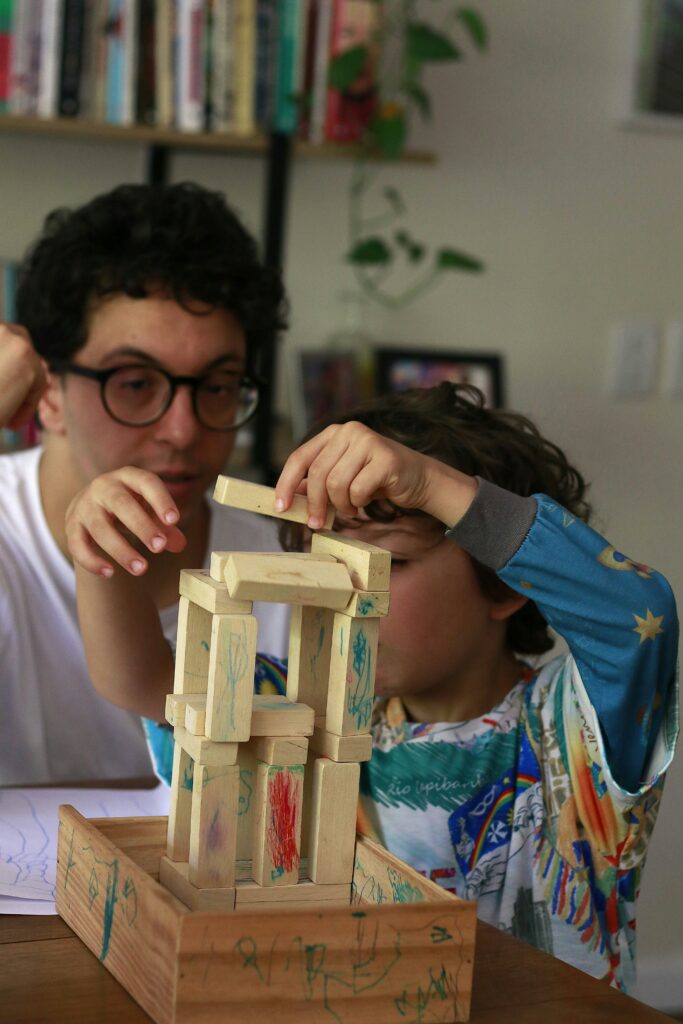
Play therapy can be understood as a kind of journey inward—especially for children who don’t yet have the words to fully explain what they’re feeling or experiencing.
Instead of talking directly about problems, the child uses play—games, toys, art, storytelling—as their “language.” In this space, the therapy room becomes less of a place to answer questions and more like a landscape to explore. Each toy, character, or scenario can represent parts of the child’s inner world: their fears, wishes, relationships, and memories.
For example, a child who has experienced instability might repeatedly create stories about characters searching for a safe home. That repetition isn’t random—it’s part of their inward journey, working through feelings of uncertainty and longing for safety.
Over time, as the child continues this exploration in a supportive, attuned environment, they often begin to:
- Feel more understood (even without saying everything out loud)
- Gain emotional regulation
- Develop a stronger, more coherent sense of self
So rather than “fixing” a child from the outside, play therapy honors the idea that healing comes from within—and that, given the right environment, children naturally move toward growth, understanding, and resilience.
From a “journey inward” perspective, play therapy looks like this:
- The child is the traveler. They lead the way, choosing what to play and which paths to explore.
- The therapist is a guide. Not directing the journey, but creating safety and gently reflecting what’s happening along the way.
- The play is the map. Patterns, themes, and repeated stories point to deeper emotional experiences.
- The goal is discovery and integration. The child processes emotions, builds insight, and develops new ways of coping.
This is where Melonie’s role as a Registered Play Therapist (RPT) becomes especially meaningful. As an RPT, she has advanced training in understanding the symbolic language of play and in creating a therapeutic environment where this inward journey can unfold safely and effectively. Rather than interrupting or steering the child’s process, she is skilled at:
- Recognizing the deeper meaning behind play themes
- Responding in ways that support emotional expression and regulation
- Tracking the child’s internal experience as it unfolds in real time
- Providing attunement and consistency, which allows the child to go deeper into their inner world
In the context of this journey, Melonie is not leading the child down a predetermined path—she is walking alongside them, helping illuminate what they discover. Her training allows her to notice subtle shifts, gently name emotions, and support the child in making sense of their experiences without taking control of the process.
Over time, this guided inward exploration helps children feel more understood, more regulated, and more connected to themselves. The journey may look like simple play on the surface, but underneath, it is meaningful, intentional work—supported by the expertise of an RPT who knows how to help children navigate their inner world safely and at their own pace.